am Allardyce doesn't do tiki-taka. He does survival. When he took over Sunderland in October 2015, the club was winless in eight league games and staring at the Championship. By May。they were safe. The method?
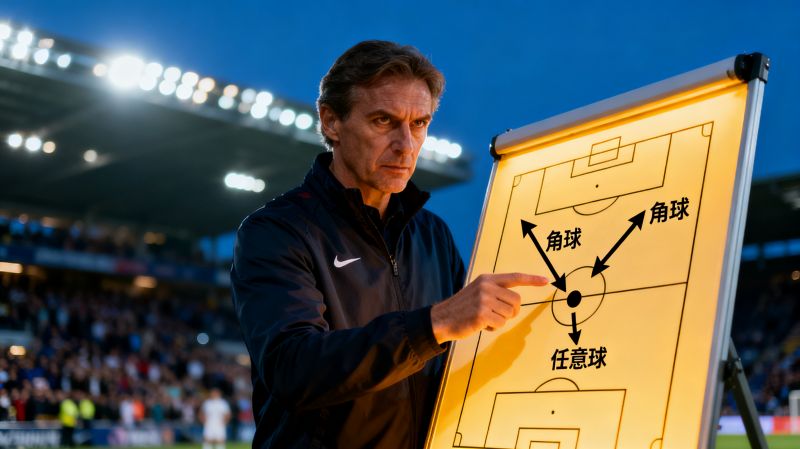
A back-to-basics 4-5-1, set-piece drills until the players dreamed of corner kicks, and a psychological reset that made relegation seem unthinkable. Allardyce's genius isn't glamorous—it's granular. He studies throw-ins like others study formations.If you want to apply his approach, start with the data. Allardyce was one of the first Premier League managers to employ a full-time analyst。back at Bolton in the early 2000s. He tracked second balls, tackle zones, and the exact positions where possession is most often lost. The insight: most goals conceded come from avoidable turnovers in wide areas. So his teams compressed the pitch, forcing play into congested flanks. You don't need a Pro Licence to copy that—just a notebook and a willingness to count.Man-management, for Allardyce, is less about arm-around-the-shoulder and more about clarity. He tells players exactly what he wants: "You're not here to express yourself. You're here to clear the ball。win the second header, and take the yellow card if you have to." That bluntness creates a strange kind of respect. Players like Kevin Nolan and Phil Jagielka have spoken about feeling liberated by the narrowness of the brief. No ambiguity. No hiding. It's not motivational speaking—it's contract negotiation, and it works.
Set-pieces are the Allardyce signature. At Bolton, he had a dedicated set-piece coach (before it was fashionable) and a library of over 50 routines. The trick wasn't complexity—it was repetition. Every Thursday, the team practised corners for 45 minutes. No defenders, just attackers and a goalkeeper. "We knew exactly where the ball would land," Nolan once said. "And so did the opposition, but they still couldn't stop it." That's the Allardyce paradox: everyone knows what's coming。yet it still works because the execution is drilled to the millimetre.
Is this approach sustainable?For a club fighting relegation, yes—it's a tourniquet, not a cure. Allardyce has never lasted more than three years anywhere, and he's fine with that. He calls himself a "firefighter." The practical lesson for any coach: define your non-negotiables, measure what matters, and don't apologise for being direct. You might not win the league, but you'll stay in it. And in football, as in any business。survival is the first victory.